
Q: When did Rotana begin operating in the Egyptian market, what is the current scale of its presence, and what are its expansion plans?
Rotana began operating in Egypt around 2010, with our first steps in the city of Hurghada on the Red Sea coast. Since then, we have gradually expanded across the Egyptian market, reaching Cairo and the North Coast.
We currently operate three hotels in Egypt, including two hotels in Sharm El Sheikh and one on the North Coast, with a total capacity of approximately 1,500 hotel rooms.
At the same time, we have eight additional hotels under construction, which are expected to add approximately 2,000 hotel rooms to Rotana’s portfolio in Egypt. This will bring the total number of hotels to 11, with approximately 3,500 rooms over the next five years, in accordance with the implementation schedules of these projects.
Among the projects currently under development is a hotel scheduled to open after the upcoming Ramadan. Our expansion plan also includes four hotels in Cairo.
We aim to reach approximately 25 hotels in Egypt by 2030, bearing in mind that hotel projects require considerable time for completion. A project may take between three and four years from the signing of the management agreement until the hotel opens and begins operations.
Q: What is the volume of investment Rotana is targeting in the Egyptian market?
It is important to clarify that Rotana is a hotel management company, not a hotel owner or an investor in hotel projects.
We sign management agreements with investors, hotel owners, banks, and insurance companies, and take responsibility for managing and operating hotel establishments. However, the company does not own the hotels or inject direct capital investments into their construction. Instead, we operate through management agreements with owners and investors.
Q: What makes the Egyptian market particularly attractive to Rotana compared with other markets?
The Egyptian market is extremely important to Rotana for several reasons, foremost among them the size of the market and the diversity of Egypt’s tourism assets.
Cairo represents an important economic and tourism hub, alongside the tourist destinations along the Red Sea and the North Coast, as well as the unique archaeological and historical attractions in Luxor, Aswan, and other cities.
This tourism diversity gives Egypt a significant competitive advantage, because a country’s ability to benefit from its tourism sector depends on its capacity to attract different segments of visitors, whether beach tourists, cultural and archaeological tourists, or business and conference travelers.
Egypt possesses all these assets, making it capable of attracting various types of tourists rather than only visitors seeking beach holidays. Tourism encompasses everyone who visits a country for different purposes, whether leisure, culture, or business.
Consequently, the diversity of Egypt’s tourism offerings is one of the most important factors that make the market attractive to hotel management companies and provide significant opportunities for expansion and growth.
Q: How does Rotana view the diversity of tourism segments in the Egyptian market?
Egypt possesses all the assets necessary to attract different tourist segments and categories. A tourist is not necessarily someone who comes to spend a holiday on the beach. Visitors also include businesspeople, participants in conferences and exhibitions, business travelers, and other categories.
Egypt is distinguished by its ability to attract different types of visitors, whether those coming for beach tourism, cultural and archaeological tourism, or conferences and business tourism. This makes it a promising and diversified market.
Q: What are the most prominent investment developments currently taking place at Rotana in Egypt? Are you focusing exclusively on luxury hotels?
We are currently in discussions with a number of developers and investors in Egypt regarding the development of hotels across different categories, not just luxury hotels. We provide developers with the specifications and standards associated with our hotel brands, whether the project is a five-star, four-star, or three-star hotel, or serviced apartments.
We see opportunities in Cairo and along the Red Sea, particularly in Hurghada and Sharm El Sheikh, as well as on the North Coast. We are also exploring opportunities in Alexandria, Aswan, and other areas.
Q: Is there a greater focus on beach tourism than on cultural and archaeological tourism?
No, we do not focus exclusively on beach tourism. Egypt has diverse tourism assets, and cultural and archaeological tourism represents an important part of the country’s tourism product, alongside other tourism segments.
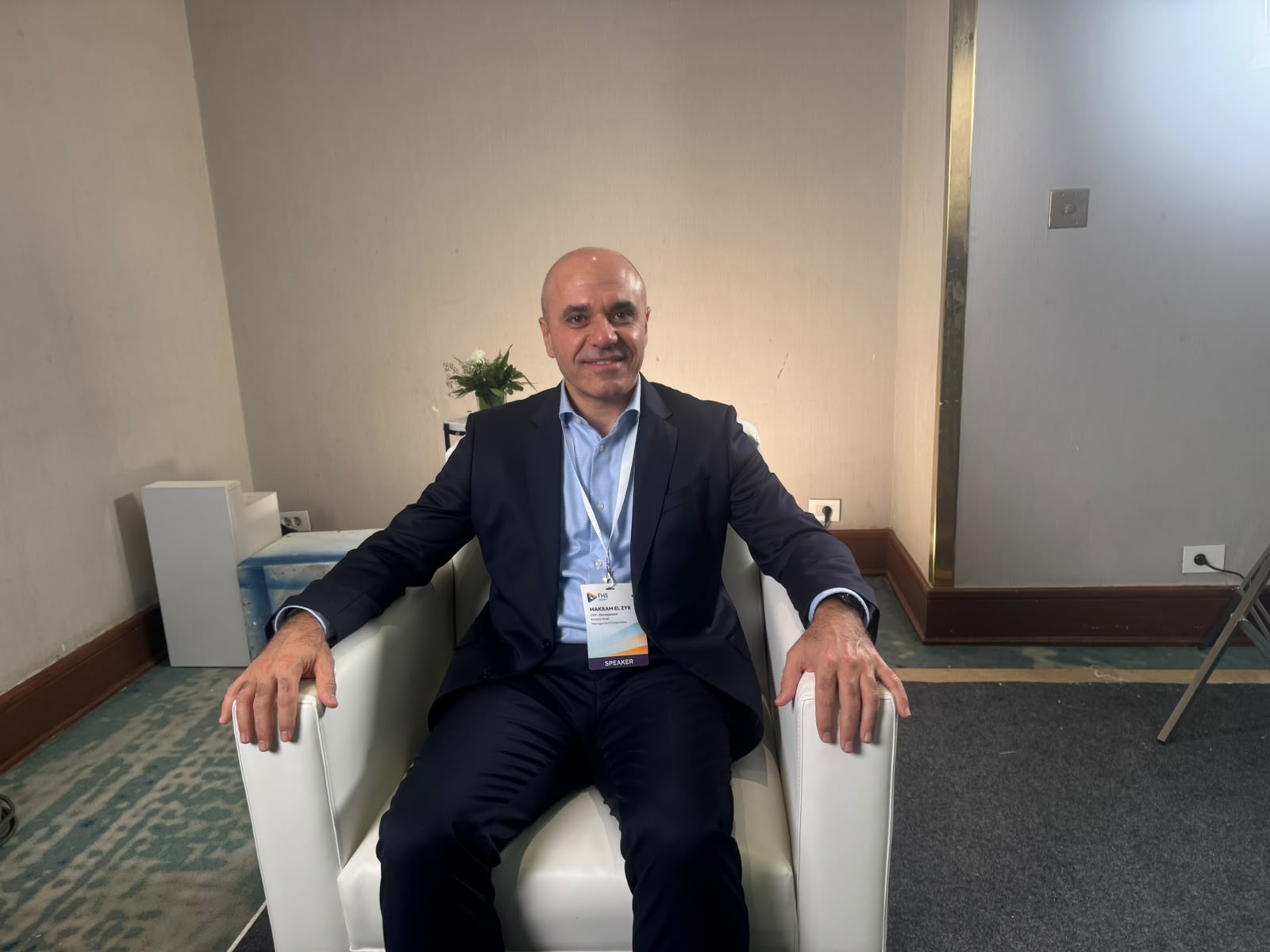
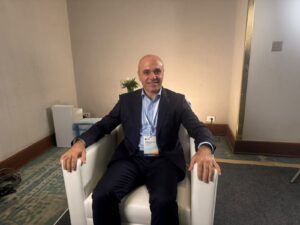
Dr. Makram El Zeir.
Q: How does Rotana contribute to developing tourism activity and investment in the countries where it operates?
What we are proud of at Rotana is the diversity of our hotels and the different types of guests we welcome. We believe that catering to diverse visitor segments is one of the most important factors behind the success of a hotel and the tourism sector in any country.
We welcome businesspeople, tourists, conference and exhibition participants, airline crews, as well as guests seeking long-term accommodation, such as engineers and experts who come to Cairo to work on projects lasting several months and require serviced apartments that provide them with the appropriate facilities.
This diversity helps our hotels maintain occupancy rates and reduces their exposure to regional changes and circumstances.
Q: Does Rotana rely on serviced apartments and long-term stays alongside traditional hotel accommodation?
Absolutely. We do not rely solely on short stays lasting one or two nights. We also target guests who require accommodation for extended periods, whether through serviced apartments or extended stays in regular hotel rooms.
For example, a guest may rent a hotel room for three months, which supports occupancy rates and provides the hotel with an additional and relatively stable source of demand.
Q: Have the nationalities generating tourism demand in the region changed as a result of geopolitical tensions?
Certainly. Some nationalities have become less inclined to travel to certain destinations in the region, while other destinations have benefited from these changes.
As far as Rotana’s hotels in Egypt are concerned, we have benefited from shifts in the geopolitical landscape, as some travelers who previously preferred spending their beach holidays in the UAE, the Sultanate of Oman, and other destinations have turned to Sharm El Sheikh and various Egyptian destinations.
Amid geopolitical changes, some source markets reduce their travel to certain destinations, while others turn to alternative destinations. This has created opportunities for Egypt to benefit from these shifts.
Q: Have you changed your promotional strategy and the tourism markets you target that continue to travel to Egypt?
We are seeing demand from Russia and neighboring countries, particularly Central Asian markets such as Belarus, Kazakhstan, Uzbekistan, and Azerbaijan.
These markets are turning to Egypt for beach holidays, as well as to visit its cities and participate in conferences and events, reflecting the diversity of demand coming from these countries.
Q: Have tourist spending patterns or the average length of stay in Egypt changed recently?
There have been changes in traveler behavior, particularly with rising oil prices and their impact on airfares. When tourists bear the cost of traveling to Egypt, they may prefer extending their stays rather than limiting their visits to three or four days. Instead, they may choose to spend around ten days to make greater use of their trip.
We are also noticing a growing trend toward combining multiple destinations within a single trip. A tourist may begin their visit in Cairo, then travel to a beach destination such as Marsa Alam, before proceeding to Luxor.
Connecting different destinations in this way allows tourists to enjoy more than one tourism product during the same trip and helps extend the average length of stay.
Q: Are international markets still raising concerns about safety in Egypt? How do you address these concerns?
The measures implemented by the Egyptian state over the past several years have contributed to strengthening travelers’ confidence, whether in terms of safety, cleanliness, or the diversity of available options and services.
These factors have helped strengthen the image of Egypt as a tourist destination in international markets. The stability of conditions over the past period has also reinforced travelers’ confidence in the Egyptian destination.
Q: How does Rotana maintain its competitiveness?
Rotana is a smaller company compared with global hotel groups such as Marriott and Accor. It operates approximately 120 hotels, according to the figures I mentioned during this interview.
The secret behind our success lies in giving direct attention to hotel owners and individual properties, dedicating time and effort to improving service quality, food, cleanliness, and operational standards.
We do not manage thousands of hotels, which allows us to give each owner and each property greater attention. Our size also gives us flexibility in dealing with hotels facing challenges or requiring marketing support or assistance in targeting new markets, particularly during difficult periods.
Q: How important is workforce training to Rotana, and how are employees qualified to ensure service quality?
The most important element for us is having competent employees who possess the basic experience and skills required to work in the hospitality industry.
We continuously work to develop and improve our training programs while providing employees with opportunities for career advancement and movement into better positions within the group. An employee may begin their career in Cairo and later be given the opportunity to work on another project in New Alamein or the North Coast, with the possibility of receiving a promotion and advancing professionally.
Training programs are managed through the company’s headquarters in Abu Dhabi and cover all hotel departments, starting with housekeeping and room services, moving through food and beverage operations, and extending to reception and other operational functions.
Each hotel also has a training manager responsible for monitoring the daily implementation of these programs, in addition to organizing regular training courses, including weekly programs, to ensure the continuous development of employees’ skills.
Q: What is the current scale of Rotana’s operations in terms of the number of hotels, employees, and geographical presence?
We currently have approximately 78 operating hotels, with a workforce of around 13,000 employees, in addition to 41 hotels and projects in various stages of construction and development.
Rotana operates in 24 countries and 42 cities across the Middle East and Africa, in addition to other markets such as Pakistan.
Q: Could Egypt become a major hub for Rotana’s expansion in North Africa over the coming years?
Absolutely. The growth Rotana is witnessing in Egypt is expected to make it the group’s third-largest market in terms of the number of hotels in its portfolio.
We aim to reach 30 hotels in Egypt by 2030, including operating hotels and projects under construction and development. This would place the Egyptian market in third position within Rotana’s portfolio, after the UAE and Saudi Arabia.
Q: How is Rotana leveraging technology and artificial intelligence to develop its operations, particularly amid the accelerating digital transformation in the hospitality sector?
Technology and artificial intelligence have become extremely important to our operations, and we have already started using modern technological solutions in many of the processes and services that guests interact with.
However, we must not forget that the hotel sector fundamentally depends on human resources. There must be an employee to serve food, another to clean rooms, and a team to provide direct services to guests.
Technology will not eliminate the human role in hospitality. Instead, it will help develop operations and improve the guest experience, particularly in services and systems that do not require direct human interaction.
Q: Have you changed your promotional strategy and the tourism markets you target that continue to travel to Egypt?
We are seeing demand from Russia and neighboring countries, particularly Central Asian markets such as Belarus, Kazakhstan, Uzbekistan, and Azerbaijan.
These markets are turning to Egypt to enjoy, reflecting the diversity of demand coming from these countries.
Q: Have tourist spending patterns or the average length of stay in Egypt changed recently?
There have been changes in traveler behavior, particularly with rising oil prices and their impact on airfares. When tourists bear the cost of traveling to Egypt, they may prefer extending their stays rather than limiting their visits to three or four days. Instead, they may choose to spend around ten days to make greater use of their trip.
We are also noticing a growing trend toward combining multiple destinations within a single trip. A tourist may begin their visit in Cairo, then travel to a beach destination such as Marsa Alam, before proceeding to Luxor.
Connecting different destinations in this way allows tourists to enjoy more than one tourism product during the same trip and helps extend the average length of stay.
Q: Are international markets still raising concerns about safety in Egypt? How do you address these concerns?
The measures implemented by the Egyptian state over the past several years have contributed to strengthening travelers’ confidence, whether in terms of safety, cleanliness, or the diversity of available options and services.
These factors have helped strengthen the image of Egypt as a tourist destination in international markets. The stability of conditions over the past period has also reinforced travelers’ confidence in the Egyptian destination.
Q: How does Rotana maintain its competitiveness?
Rotana is a smaller company compared with global hotel groups such as Marriott and Accor. It operates approximately 120 hotels, according to the figures I mentioned during this interview.
The secret behind our success lies in giving direct attention to hotel owners and individual properties, dedicating time and effort to improving service quality, food, cleanliness, and operational standards.
We do not manage thousands of hotels, which allows us to give each owner and each property greater attention. Our size also gives us flexibility in dealing with hotels facing challenges or requiring marketing support or assistance in targeting new markets, particularly during difficult periods.
Q: How important is workforce training to Rotana, and how are employees qualified to ensure service quality?
The most important element for us is having competent employees who possess the basic experience and skills required to work in the hospitality industry.
We continuously work to develop and improve our training programs while providing employees with opportunities for career advancement and movement into better positions within the group. An employee may begin their career in Cairo and later be given the opportunity to work on another project in New Alamein or the North Coast, with the possibility of receiving a promotion and advancing professionally.
Training programs are managed through the company’s headquarters in Abu Dhabi and cover all hotel departments, starting with housekeeping and room services, moving through food and beverage operations, and extending to reception and other operational functions.
Each hotel also has a training manager responsible for monitoring the daily implementation of these programs, in addition to organizing regular training courses, including weekly programs, to ensure the continuous development of employees’ skills.
Q: What is the current scale of Rotana’s operations in terms of the number of hotels, employees, and geographical presence?
We currently have approximately 78 operating hotels, with a workforce of around 13,000 employees, in addition to 41 hotels and projects in various stages of construction and development.
Rotana operates in 24 countries and 42 cities across the Middle East and Africa, in addition to other markets such as Pakistan.
Q: Could Egypt become a major hub for Rotana’s expansion in North Africa over the coming years?
Absolutely. The growth Rotana is witnessing in Egypt is expected to make it the group’s third-largest market in terms of the number of hotels in its portfolio.
We aim to reach 30 hotels in Egypt by 2030, including operating hotels and projects under construction and development. This would place the Egyptian market in third position within Rotana’s portfolio, after the UAE and Saudi Arabia.
Q: How is Rotana leveraging technology and artificial intelligence to develop its operations, particularly amid the accelerating digital transformation in the hospitality sector?
Technology and artificial intelligence have become extremely important to our operations, and we have already started using modern technological solutions in many of the processes and services that guests interact with.
However, we must not forget that the hotel sector fundamentally depends on human resources. There must be an employee to serve food, another to clean rooms, and a team to provide direct services to guests.
Technology will not eliminate the human role in hospitality. Instead, it will help develop operations and improve the guest experience, particularly in services and systems that do not require direct human interaction.