A Defining Moment for Egypt’s Economic and Real Estate Transformation
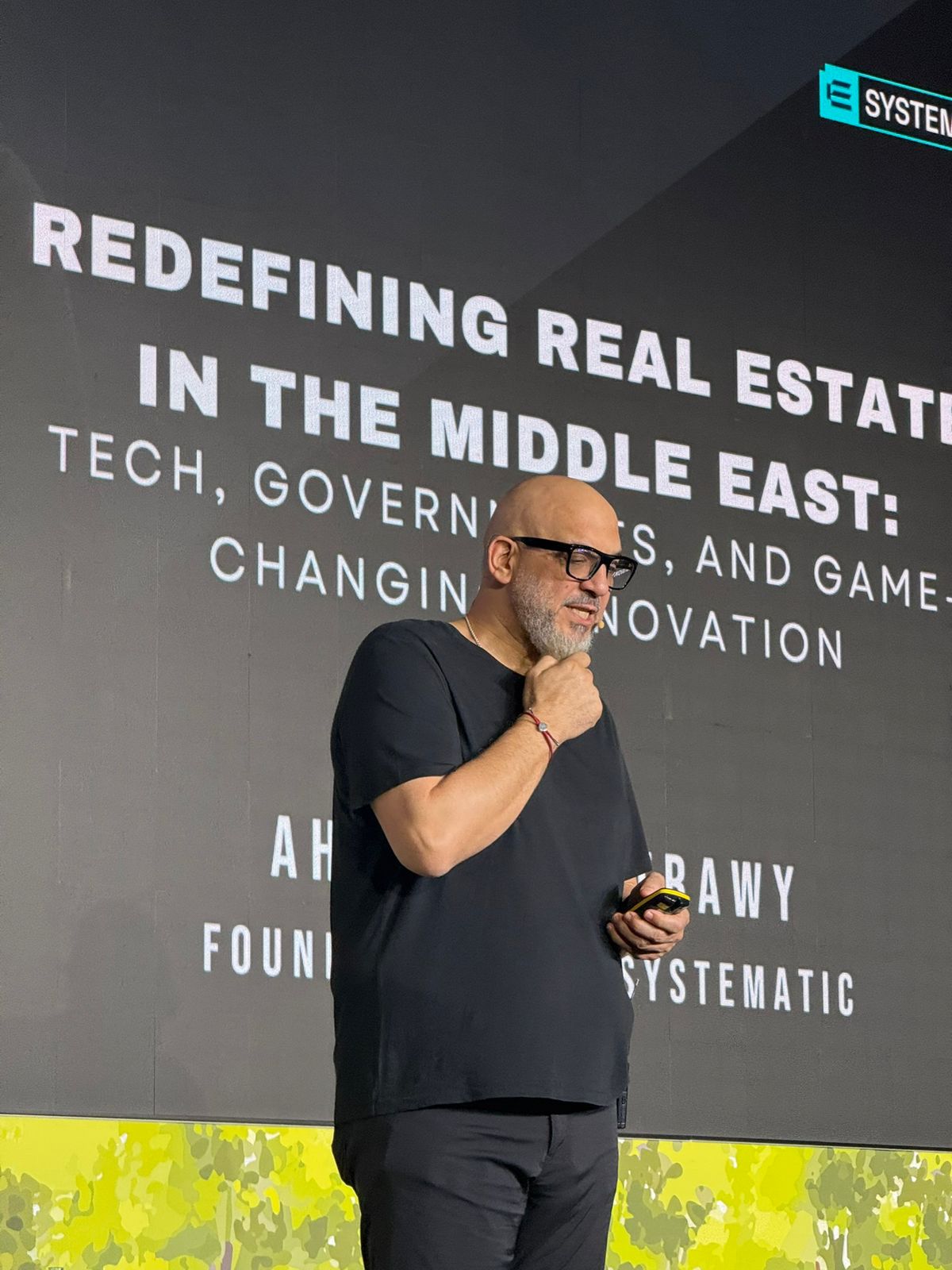
In a landmark moment for Egypt’s ongoing economic transformation, Ahmed ElBatrawy, Founder
and Chairman of Masr Real Estate Platform, called for leveraging the national momentum created by the opening
of the Grand Egyptian Museum to continue developing a transparent, structured, and digitally
advanced real estate market aligned with Egypt’s long-term economic vision.
ElBatrawy emphasized that the Grand Egyptian Museum represents a living example of
how Egypt can merge heritage, innovation, and modern management — a model that should now be
mirrored within the real estate sector to enhance professionalism, governance, and investor confidence.

Grand Egyptian Museum as a Model of Modern Governance
According to ElBatrawy, the Grand Egyptian Museum has demonstrated Egypt’s ability to deliver
world-class projects that balance culture, technology, and management. He noted that this same discipline
must guide the next stage of Egypt’s real estate market, which should be built on accuracy, transparency, and trust.
From Physical Construction to Market Organization
ElBatrawy praised Egypt’s achievements in constructing new cities and advanced infrastructure, describing
them as milestones of national progress.
However, he stressed that “the next phase must go beyond physical construction” toward
establishing a regulated and transparent market that protects the rights of both citizens
and investors while encouraging credible and professional investment practices.

A Unified Digital Real Estate System: The Key to Reform
He underlined that market confidence cannot be achieved without a unified digital real estate system,
integrating ownership data, transaction records, and real property prices.
Such a system, ElBatrawy said, is a national necessity — one that would unify fragmented data, eliminate
inconsistencies, and create a reliable decision-making framework that boosts investor trust in
Egypt’s real estate market.

Four Pillars of Real Estate Reform in Egypt
ElBatrawy outlined four main pillars essential for achieving sustainable reform:
Regulating developers and real estate advertising to ensure compliance with
legal, financial, and technical standards.
Unifying real estate data and databases to provide verified and transparent information for
developers and investors.
Activating escrow accounts to protect buyers’ funds and link financing to real construction progress.
Implementing a unified property identification and MLS system, essential for documenting
all property transactions and ensuring price transparency.

Grand Egyptian Museum Inspires a New Vision for Egypt’s Real Estate
ElBatrawy described the Grand Egyptian Museum as “a symbol of Egypt’s precision and innovation,” noting
that the project’s management model should inspire a similar evolution in the property sector — one rooted in
transparency, organization, and advanced digital governance.
Toward a Competitive Real Estate Market Under Vision 2030
He concluded that Egypt stands before a historic opportunity to establish a pioneering Arab real estate
model built on transparency and modern technology, turning the nation into a regional hub for property
data and investment intelligence in the Middle East.
ElBatrawy reaffirmed that maintaining reform momentum is vital for achieving the goals of
Egypt Vision 2030, ensuring the country continues to attract quality, high-value investments
in one of its most dynamic economic sectors.