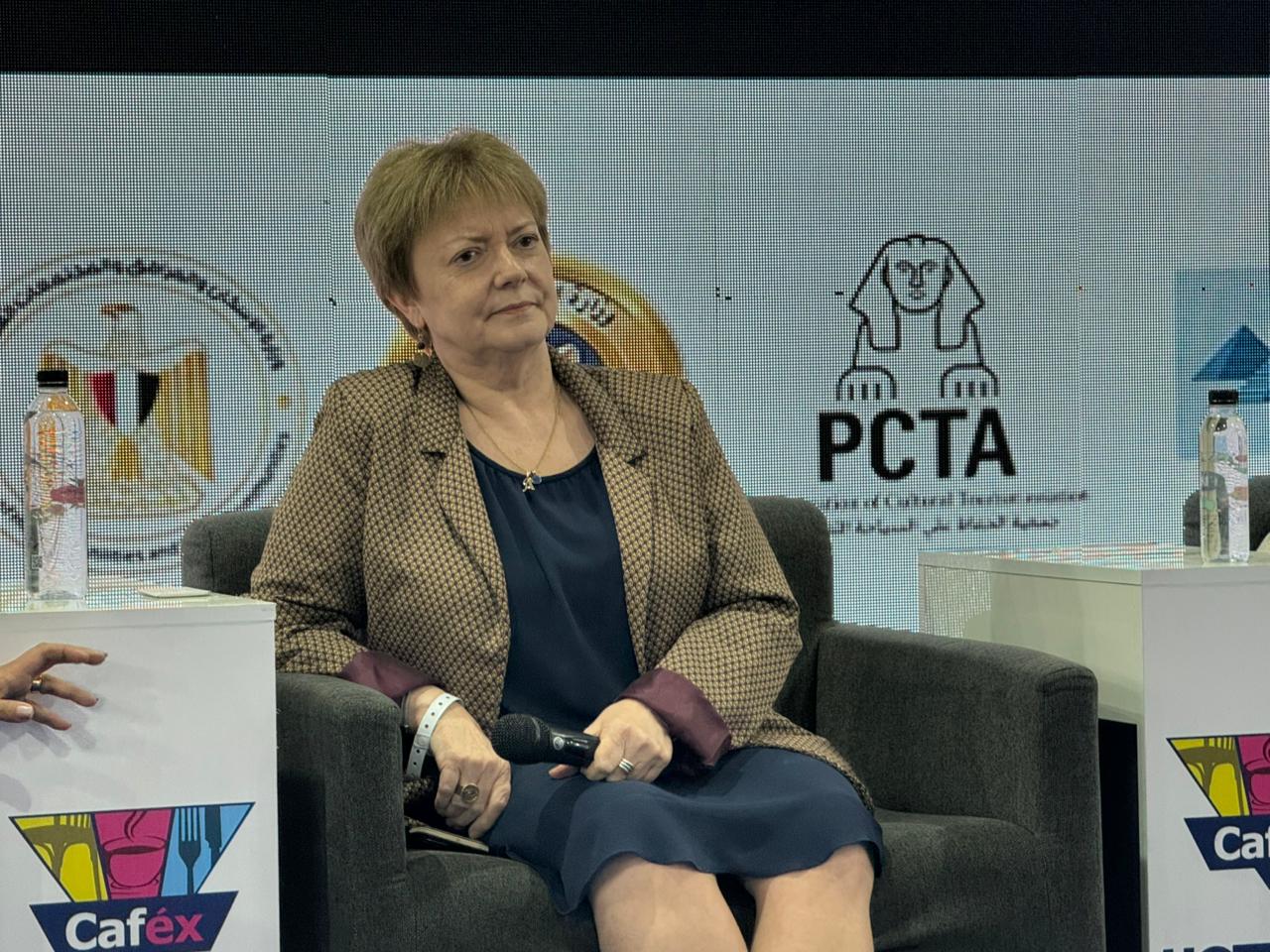
The Egyptian tourism sector is undergoing a major strategic transformation, moving from a traditional mass tourism model focused on visitor numbers to a more modern approach centered on tourism value, experience quality, and high-spending travelers, according to Anne Marie, Regional Director of Hilton Hotels.
Speaking on the sidelines of the Hospitality and Hotels Conference, she said Egypt is currently experiencing rapid changes that require more flexible commercial and tourism marketing strategies aligned with global industry trends.
Egypt’s Tourism Industry Enters a “True Turning Point”
Anne Marie emphasized that Egypt is standing at a “true turning point” in the development of its tourism sector, noting a gradual shift in how European markets perceive Egypt—from a mass tourism destination to a diversified and experience-driven travel hub.
She attributed this shift to major national developments in infrastructure and large-scale projects that are reshaping the country’s tourism landscape.
Mega Projects Redefining Egypt’s Tourism Experience
Among the most significant developments, she highlighted key landmarks such as the Grand Egyptian Museum, alongside emerging destinations like El Gouna, in addition to ongoing development work in the Giza Pyramids area.
These initiatives, she noted, represent a qualitative leap in the Egypt tourism experience, positioning the country as a more competitive global destination.

From Pyramids-Only Tourism to Diversified Travel Experiences
She stressed that Egypt is no longer limited to iconic attractions such as the pyramids or Nile cruises. Instead, it has evolved into a diversified tourism destination capable of attracting multiple traveler segments, particularly high-spending tourists seeking premium and specialized experiences.
This transformation, she added, enhances Egypt’s positioning in the global tourism market and strengthens its competitiveness.
Modern Tourism Marketing Strategy for Global Competitiveness
Anne Marie called for adopting a modern tourism marketing strategy that focuses on targeting specific global market segments and strengthening cooperation with tour operators, airlines, and international travel platforms.
Such an approach, she said, is essential to enhancing Egypt’s global competitiveness and expanding its international tourist base.
Focus Shift: From Tourist Numbers to Economic Value
She also urged a strategic shift away from focusing solely on increasing tourist arrivals, toward maximizing tourism revenue in Egypt by:
- Increasing average tourist spending
- Extending length of stay
- Enhancing overall economic return from tourism
This shift reflects a broader global trend in the tourism industry focused on value over volume.
Four Pillars of Egypt’s Tourism Development Strategy
Anne Marie outlined that Egypt’s tourism and hospitality strategy is built on four key pillars:
1. Diversifying tourism markets
Reducing dependency on specific source markets and expanding into new geographic regions.
2. Enhancing tourist satisfaction
Improving visitor experience to encourage repeat visits and positive destination recommendations.
3. Developing tourism products and infrastructure
Upgrading services and facilities in line with evolving global travel trends.
4. Investing in human capital
Training and upskilling the workforce to ensure high-quality service delivery across the sector.

Expanding Tourism Markets Beyond Europe and the U.S.
She noted that Egypt is increasingly benefiting from diversified tourism markets, supported by improved infrastructure and new air routes that have enhanced global connectivity.
The tourism base is no longer limited to Europe and the United States, but is expanding into Asia and other emerging regions.
Growth in MICE, Luxury, and Sports Tourism
Anne Marie highlighted strong growth in MICE tourism (Meetings, Incentives, Conferences, and Exhibitions), along with increasing demand for:
- Luxury tourism in Egypt
- Sports tourism
- Sports training camps
These segments target high-value travelers and contribute significantly to tourism revenue growth.
Domestic Tourism as a Key Pillar of Growth
She also emphasized that the domestic tourism market in Egypt remains a fundamental pillar supporting sector stability.
Growing local demand is creating new opportunities for tailored tourism products, including cultural tourism, recreational trips, short stays, and specialized events.
Balancing Domestic and International Tourism Markets
Anne Marie concluded that maintaining a balance between domestic and international tourism markets is essential for sustainable growth in Egypt’s tourism sector.
This balanced approach, she said, is a key driver for strengthening resilience and maximizing long-term industry performance.